
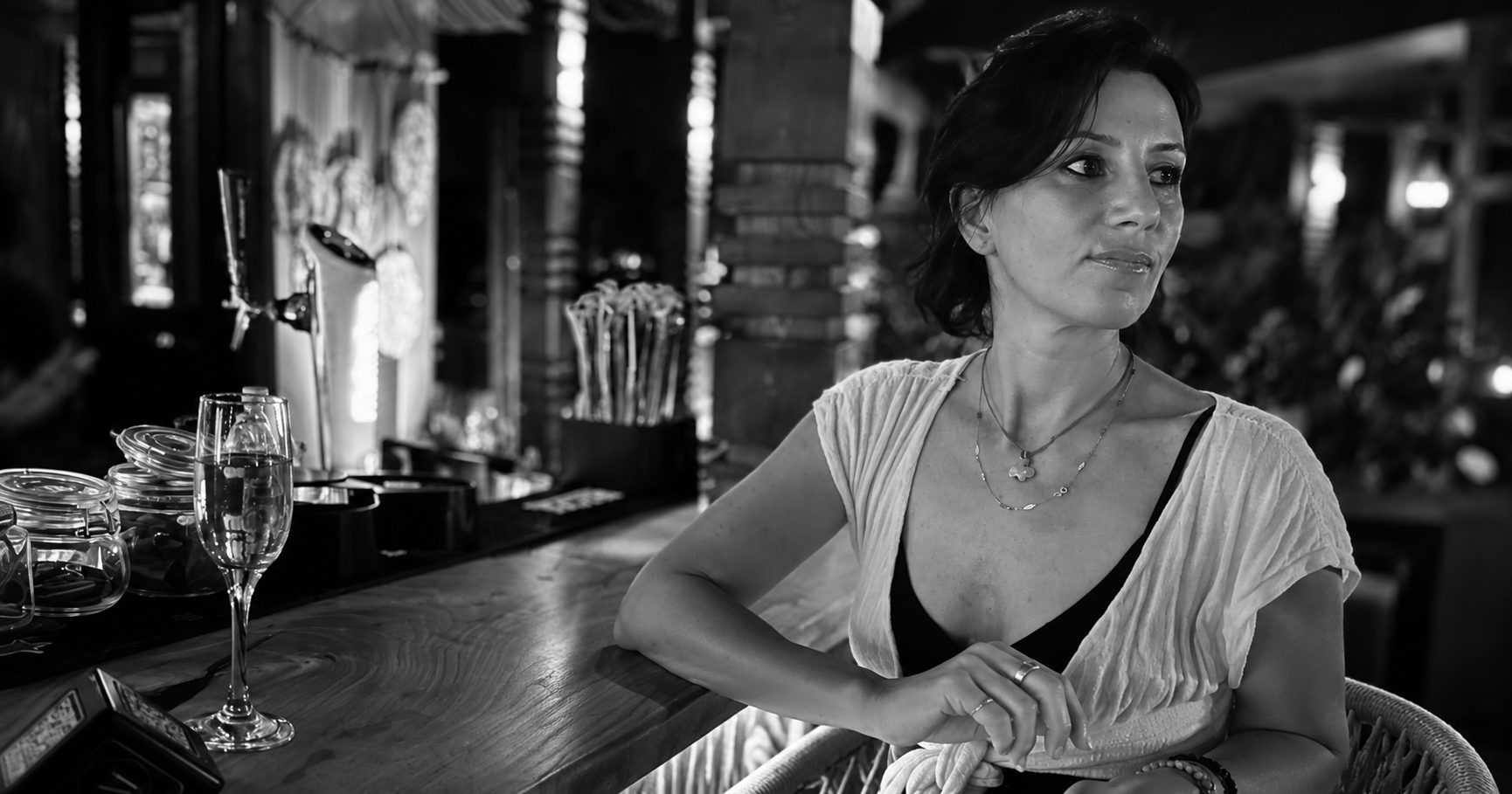
Meeting Ayung Dari: bringing creativity back into the way we work
12 September 2024Company life, Team
Creativity isn’t just for artists
For Ayung Dari, creativity is part of how we observe, experiment, adapt and find answers when our usual habits are no longer enough.
It isn’t limited to artistic creation. It also appears when we make an unexpected connection, look at a situation differently or imagine another way of doing things.
In Ayung’s work, this deeply human capacity now plays a central role.
A path shaped by many influences
Ayung’s path has developed at the intersection of very different disciplines, cultures and experiences. Contemporary dance, neuroscience, Adlerian philosophy, Japanese approaches such as Ikigaï, and work around the body and perception have gradually shaped the way she approaches people.
Japanese culture is her main source of inspiration. She draws from it an attentiveness to the ordinary, to imperfection and change, as well as a different relationship with time and observation.
But her approach does not come from any one discipline or culture. It has developed through these different experiences, with a common thread: curiosity about what happens when we stop operating on autopilot for a moment.
When work becomes too mechanical
Ayung takes a critical view of some of the habits that have become commonplace at work.
Objectives, deadlines, processes and tools all have their purpose. But when they take up all the space, we can lose some of our ability to notice what is actually happening, try something different or allow an unexpected idea to emerge.
Work can then become very mechanical.
Creativity, curiosity and intuition can reopen that space. Looking at a situation differently. Questioning what seemed obvious. Finding several possibilities where we had begun to see only one.
Creating space to experiment
Ayung does not describe her work as personal development or therapy.
Instead, she creates spaces for immersive experimentation. Moments where there is enough distance to observe a situation more attentively, step outside certain automatic patterns and try different ways of perceiving, deciding or interacting.
It can start very simply: noticing what we had stopped seeing, questioning something we took for granted, paying attention to what is changing, or accepting that we may not immediately know the answer.
This is not about abandoning methods or rational thinking. It is about regaining room to move when they are no longer enough.
Making the less visible more visible
This is where her approach naturally finds its place within Prefix.
An organisation needs structures, methods and tools. But it is also made up of people who perceive, interpret, interact, hesitate, decide and create.
Ayung focuses more closely on these less visible dimensions: what happens within people and between them, their perceptions, their automatic patterns, and their ability to allow something different to emerge.
And in your organisation?
Some situations simply need to be looked at differently once familiar ways of working no longer seem to help.
If something in this article resonates with what you are experiencing in your organisation, simply bring us the situation you are facing. We would be happy to discuss it with you and see where the conversation takes us.